Download our 3 churches newsletter for Sunday 12 January 2020, The Baptism of the Lord.
All posts by 3 churches
3 churches newsletter, Sunday 5 January 2020 (Epiphany)
Download our first 3 churches newsletter for the new year 2020, Sunday 5 January (Epiphany). Happy new year!
Epiphany traditions
In Spanish-speaking parts of the world the Three Kings receive letters from children and bring them gifts on the night before Epiphany. In some areas of Spain, children prepare a drink for each of the Magi, and prepare food and drink for the camels. Cities and towns organise cabalgatas in the evening, in which the kings and their servants parade and throw sweets to the children (and parents) in attendance. The Mystery Play of the Three Magic Kings is also presented on Epiphany Eve. In the Philippines the cabalgada is today done only in some areas, and another dying custom is children leaving shoes out on Epiphany Eve, so that they may receive sweets and money from the Three Kings. Sadly the Three Kings as gift-givers have been largely replaced by Santa Claus. In Paraguay, Puerto Rico and the Dominican Republic, children cut grass or greenery on 5 January and put it in a box under their bed for the Kings’ camels.
In Spain and Portugal, a special ring-shaped cake Roscon de Reyes contains a small figurine of a King (or another surprise) and a dry broad bean. The one who gets the figurine is “crowned” (with a crown made of cardboard or paper), but whoever gets the bean has to pay the value of the cake. In Mexico whoever gets a figurine is supposed to organise and be the host of the family celebration for the Candelaria feast on 2 February. In France and Belgium, a cake containing a small figure of the baby Jesus, is shared within the family. Whoever gets the figure is crowned king for the remainder of the holiday and wears a cardboard crown purchased with the cake. A similar practice is common in many areas of Switzerland, but the figurine is a miniature king. In New Orleans, and parts of southern Texas, a similar ring-shaped cake known as a “King Cake” traditionally can be bought in bakeries from Epiphany to Mardi Gras.
A tradition in Poland and German-speaking Catholic areas is the writing of the three kings’ initials (C+M+B or K+M+B) above the door of Catholic homes in chalk. This is a new year’s blessing for the occupants and the initials are believed to also stand for “Christus mansionem benedicat” (“May Christ Bless This House”). These markings may be made by the Sternsinger (literally, “star singers”) – a group of children dressed up as the magi, who carry a star and sing Christmas carols as they go door to door. After singing, the children write the three kings’ initials on the door frame in exchange for charitable donations.

Fr Matthew
Toddler group is back!
The Christ the King Toddler Group will return this Monday 6 January 9.30am – 11am. See you there!
3 churches newsletter, Sundays 22 and 29 December 2019 (Christmas)
Download our double edition 3 churches newsletter for Christmas.
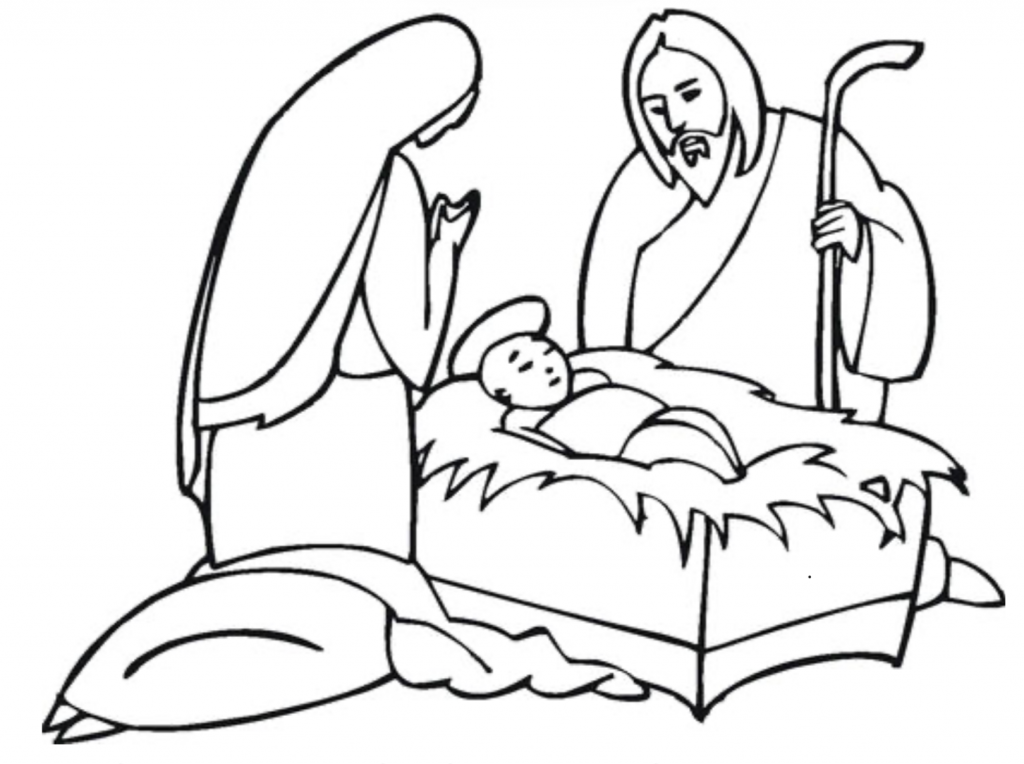
to all our parishioners and friends